Could collective intelligence develop through interaction? From mycelium and music to group learning, we examine what individuals produce together.
What If Intelligence Exists Between Us?

Could collective intelligence develop through interaction? From mycelium and music to group learning, we examine what individuals produce together.

Being competent requires more than skills. Knowledge, experience, judgment, and standards determine how well we apply what we know.

What comes to mind first when somebody says an object, service, or experience has good value? Most people start with
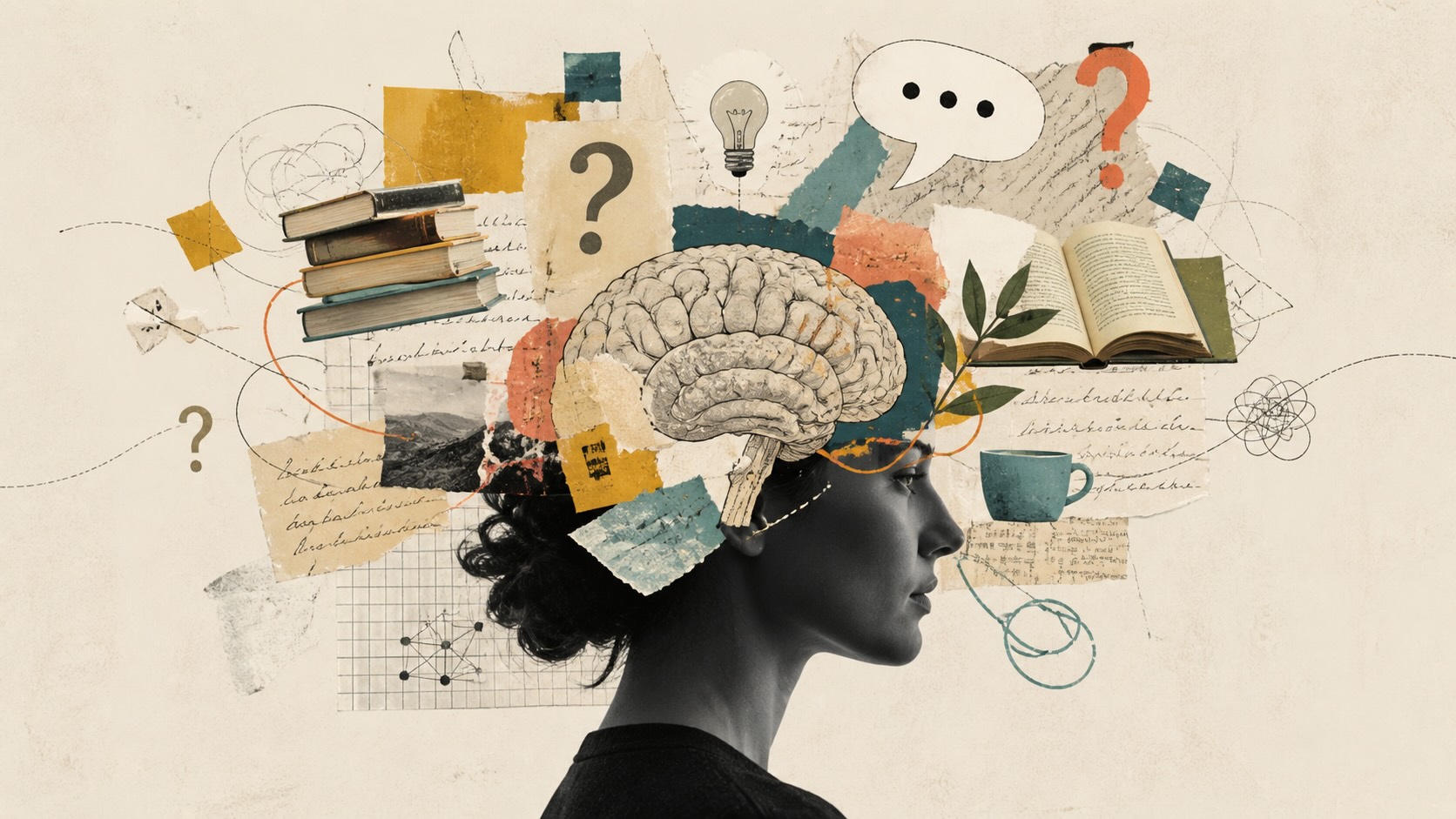
Giftedness may help some adults understand why they learn deeply, feel intensely, ask precise questions, and struggle with shallow explanations.

Poor employee onboarding increases early attrition, slows readiness, and weakens knowledge transfer. This article examines why the first weeks matter more than many companies assume.

Many learning environments reward speed and visible effort, while skipping boundaries, context checks, and escalation paths. This article uses Pay It Forward to show how learning design influences what learners do and how consequences unfold at work, school, and in relationships.

Microlearning and traditional learning depth sit in tension. This analysis explores benefits, limits, and risks when microlearning replaces sustained learning.

The illusion of access explains why constant proximity through digital tools weakens presence, understanding and trust in work, learning and daily life.

The power of rituals anchors well-being, shapes mental health, and transforms teams from the inside out.
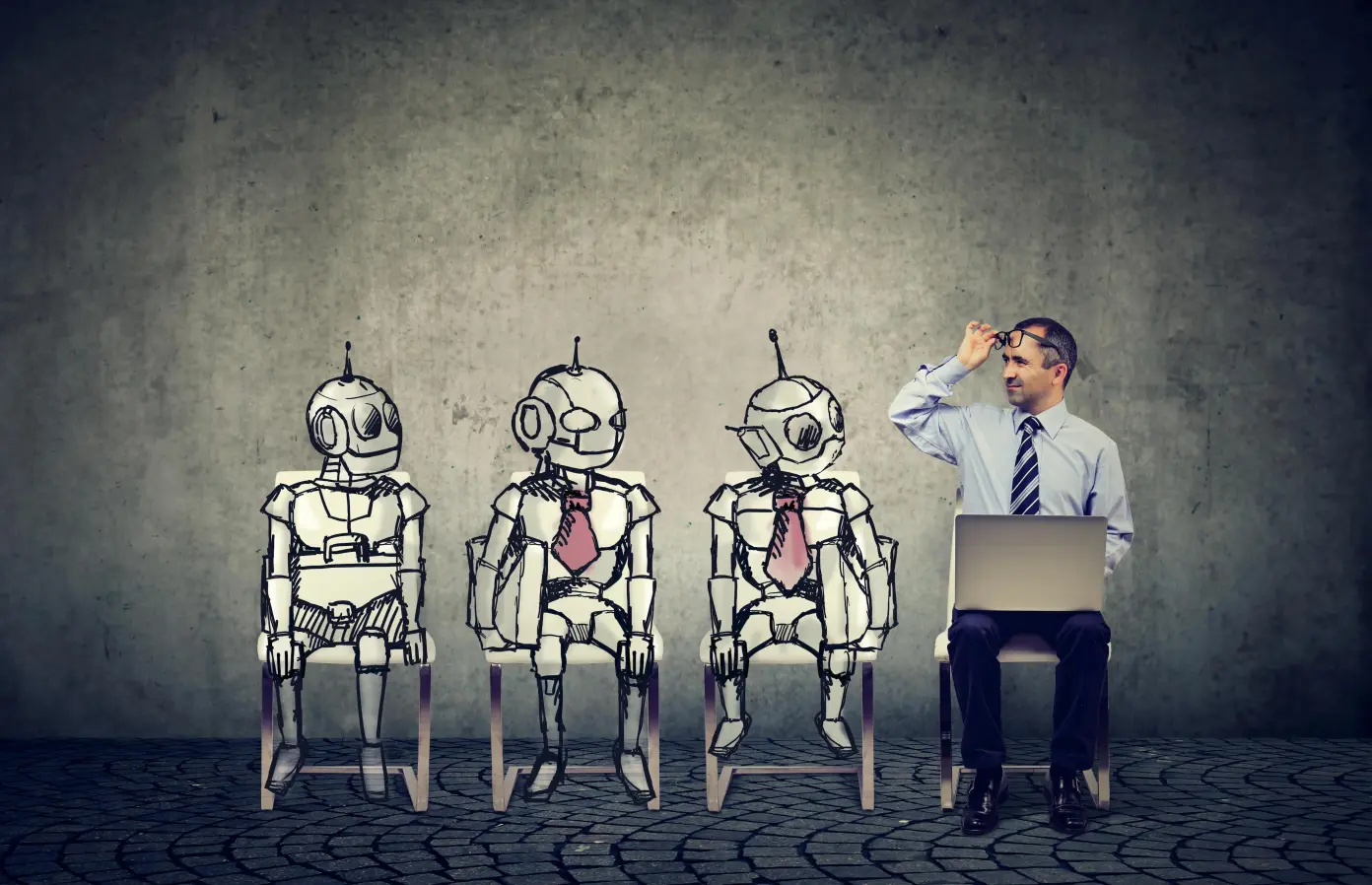
Technology and humanity meet beyond the algorithm, where trust, empathy, and cultural insight define the boundaries of real human judgment.


Available payment options vary by country and are updated live at checkout.